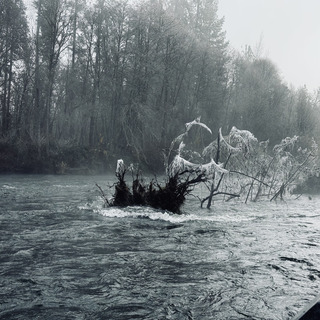
The Rogue River, stretching over 200 miles through Southern Oregon, is renowned for its stunning scenery and rich biodiversity. It serves as a critical habitat for various fish species, most notably salmon and steelhead. The river's unique ecosystem is supported by its pristine waters, which are fed by numerous tributaries and mountain streams, providing ideal conditions for spawning and rearing. The Rogue River is particularly famous for its wild Chinook salmon, which undertake an incredible journey upstream to their natal spawning grounds, overcoming numerous obstacles along the way.
Historically, the Rogue River has played a significant role in the culture and livelihood of the local Native American tribes, who have relied on its abundant fish populations for thousands of years. The river was also a key route for early European settlers during the Gold Rush era, leading to the establishment of towns and communities along its banks. Today, the Rogue River is not only a vital resource for local ecosystems but also a popular destination for outdoor enthusiasts, offering activities such as fishing, rafting, and hiking.
However, the ecological health of the Rogue River has faced challenges over the years, particularly from the construction of dams and water management practices that have altered its natural flow. Dams have impacted salmon migration patterns, leading to a decline in fish populations. Conservation efforts are ongoing, focusing on habitat restoration and improved water management to ensure that the river remains a thriving ecosystem for future generations. Organizations and local communities are actively working to balance human use of the river with the needs of its wildlife, particularly the iconic salmon and steelhead.
In recent years, there has been a resurgence of interest in the Rogue River's ecological health, with initiatives aimed at removing or modifying dams to restore natural flow patterns. These efforts are crucial for the survival of the salmon populations, which are not only important for the ecosystem but also for the local economy, as fishing and tourism related to the Rogue River attract visitors from all over the world. The river continues to be a symbol of resilience and a reminder of the interconnectedness of nature, culture, and community.