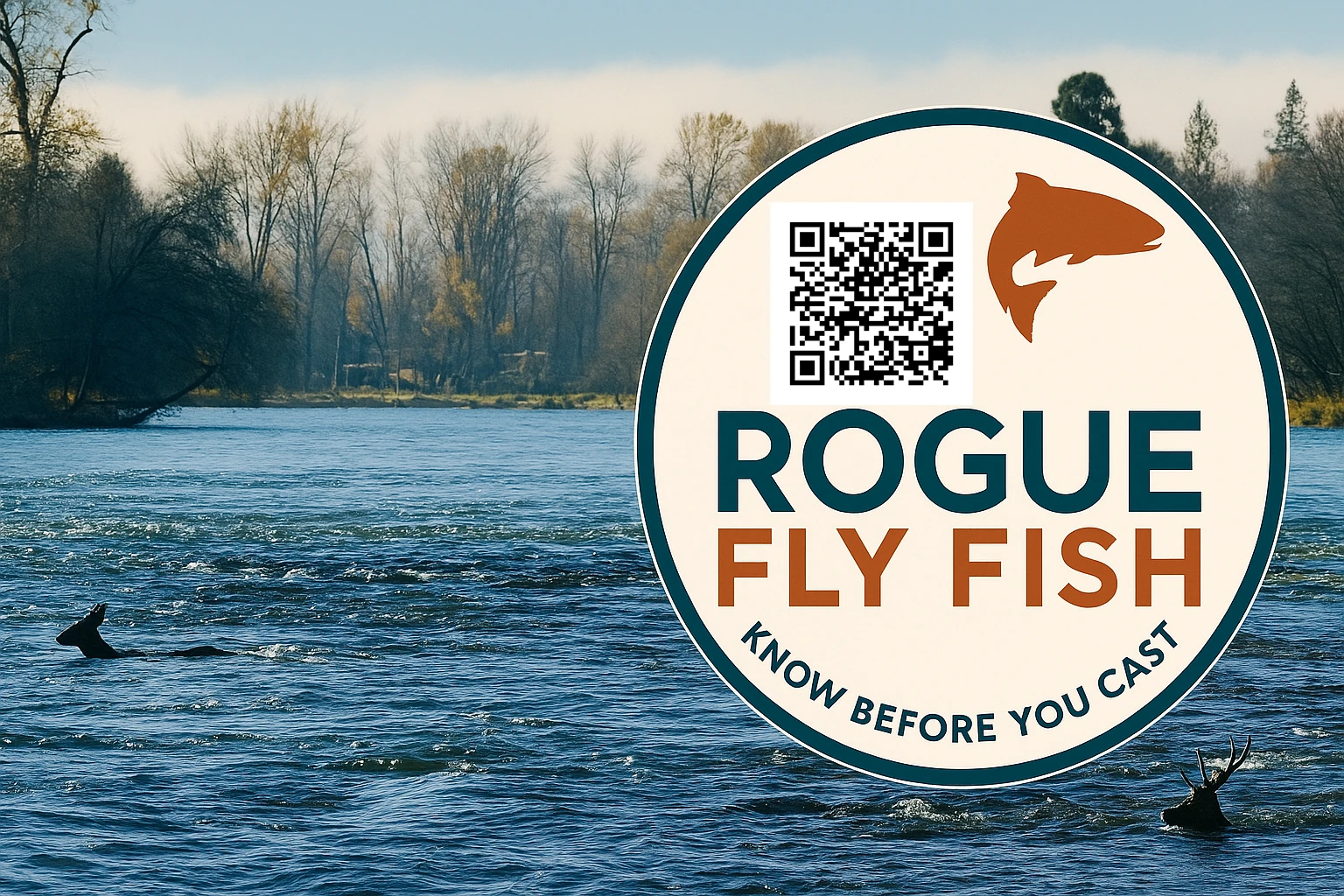
The Rogue River, flowing through the heart of Southern Oregon, boasts a rich tapestry woven from its vibrant ecology, cultural history, and fisheries management. Renowned for its stunning landscapes, the river stretches approximately 215 miles, coursing through diverse habitats that are essential for several species, particularly salmon and steelhead. These fish species have not only defined the river's ecosystem but have also historically supported local communities, indigenous populations, and recreational anglers.
Wild salmon populations along the Rogue River, including Chinook and coho, thrive in its pristine waters, but face numerous threats due to habitat alterations and environmental changes. The establishment of dams, such as the Gold Ray Dam, has significantly impacted their migration patterns, limiting access to spawning grounds upstream. Although many dams have been decommissioned, making strides in revitalizing fish populations, ongoing conservation efforts remain crucial in restoring the health of this iconic river and ensuring the survival of both salmon and steelhead.
The Rogue River's history is deeply intertwined with the indigenous peoples of the region who relied on the river as a source of sustenance and cultural identity for millennia. With the arrival of European settlers in the 19th century, the dynamics of the river began to shift dramatically. During the Gold Rush era, mining operations contributed to significant ecological disturbances, leading to increased sedimentation and pollution that would affect fish habitats. Today, these historical lessons drive contemporary conservation strategies aimed at rehabilitating the river ecosystem while balancing the needs of humans and wildlife alike.
In recent years, efforts to restore the Rogue River's health have gained momentum, bringing together local communities, environmental organizations, and governmental entities. Initiatives focus on improving water quality, removing barriers to fish migration, and restoring riparian habitats. Programs aimed at educating the public about the significance of healthy ecosystems are also critical in fostering a collective commitment to safeguarding the river for future generations.
Ultimately, the Rogue River stands as a symbol of resilience and the intertwined destinies of nature and humanity. Its waters continue to nurture the rich biodiversity of Southern Oregon while providing vital resources for recreation, commerce, and cultural heritage. As efforts to protect and enhance this ecological treasure continue, the Rogue River remains a vital artery in the natural landscape of the Pacific Northwest.