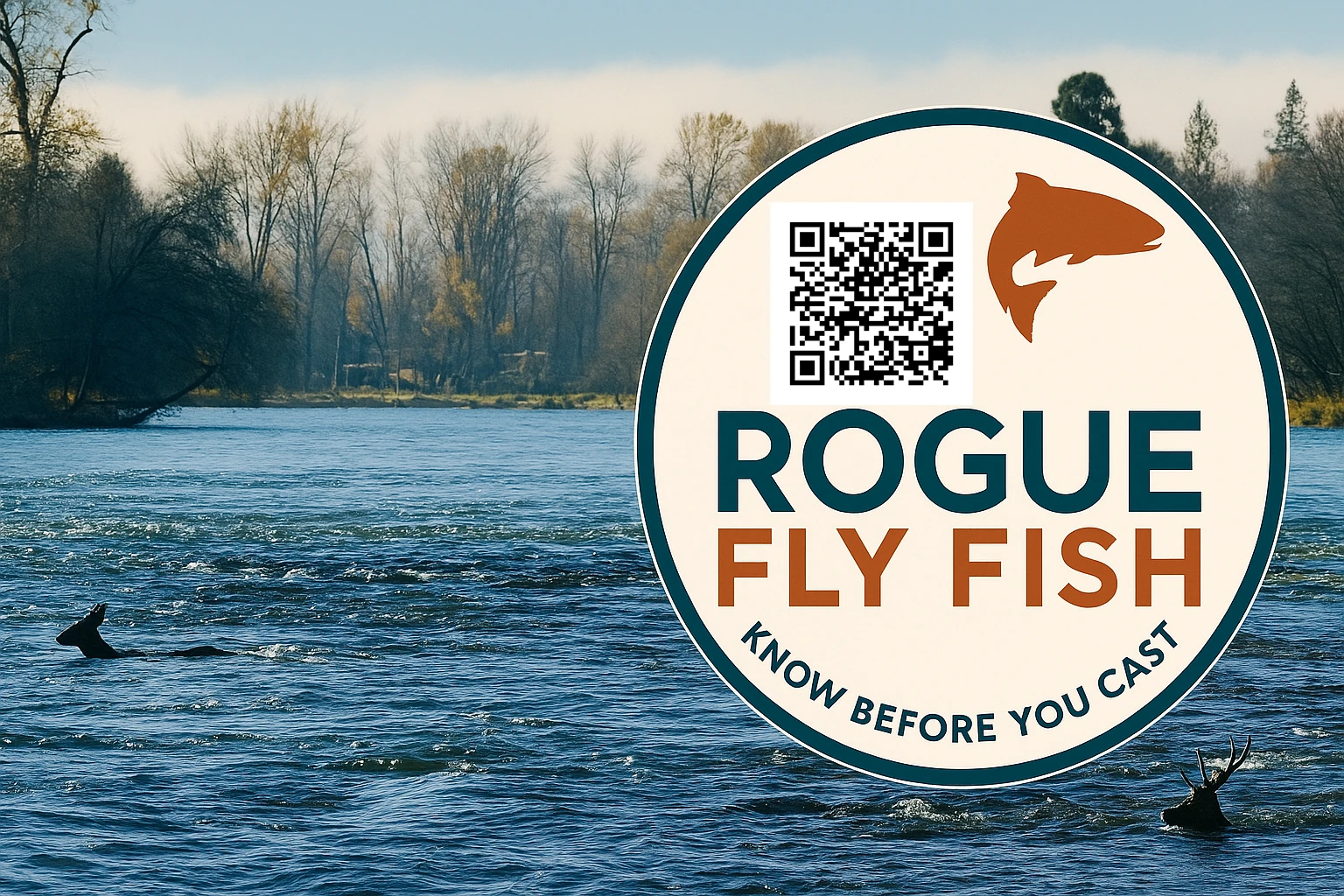
The Rogue River, a scenic waterway flowing through Southern Oregon, plays a crucial role in the ecology and economy of the region. Spanning over 215 miles, it is renowned for its diverse fish populations, particularly its impressive runs of salmon and steelhead. This river is notable for being one of the last in the contiguous United States with significant populations of wild salmon, including Chinook, Coho, and steelhead. The presence of these species not only supports local fisheries but also contributes to the cultural heritage and recreational activities that the area is celebrated for.
Historically, the Rogue River has been integral to the livelihoods of Indigenous tribes, who have relied on its fish for sustenance and cultural practices for thousands of years. The river's rich ecological features provided a natural habitat for spawning salmon and steelhead, ensuring that these species thrived in abundance. However, the construction of several dams in the mid-20th century altered the river's flow and impacted fish migration patterns. This has raised concerns among conservationists and local communities about the long-term health of the fish populations.
In response to these challenges, efforts have been underway to restore salmon and steelhead habitats along the Rogue River. Habitat restoration projects often focus on improving river flows, removing invasive species, and enhancing the available spawning grounds. Organizations, along with government agencies, are working collaboratively to develop sustainable fisheries management practices that consider both ecological integrity and human activity. The balance between recreational fishing, conservation, and the needs of local communities remains a key topic of discussion.
Today, the Rogue River is not only a destination for anglers seeking the thrill of catching salmon and steelhead but also for those interested in appreciating the river's stunning landscapes. It attracts visitors for water sports, hiking, and simply enjoying its natural beauty. The economic impact of responsible tourism alongside healthy fish populations has garnered attention, emphasizing the importance of preserving both the river's ecological health and its cultural significance.
As the Rogue River continues to evolve, ongoing advocacy for sustainable practices and habitat restoration will be essential in preserving the diverse ecosystems that thrive along its banks. The river stands as a testament to the enduring relationship between nature and humanity, and remains a symbol of Southern Oregon's rich natural heritage.